Waerebo Traditional Village is estimated to have a population of over 600 people. The majority of its residents choose to live outside the customary village area, either in the surrounding vicinity or in places closer to urban centers. Within the customary area, each conical Mbaru Niang traditional house accommodates 5 to 6 families. These families represent the various clans that form the Waerebo community. Regarding livelihoods, the people of Waerebo generally sustain themselves as farmers. They produce various high-quality cash crops, such as coffee, cloves, and cinnamon, among others. Subsequently, these high-quality agricultural products are brought to collectors for export to the international market.
The majority of the Waerebo community practices the Catholic faith. Nevertheless, they also firmly hold onto animistic beliefs inherited through generations. This belief system underlies their view that everything in nature—be it inanimate objects, animals, or plants—possesses a spiritual essence or soul that must be respected. Consequently, this animistic belief is deeply embedded in the lives of the Waerebo people; to this day, they still perform various sacred rituals for nature and the ancestors.
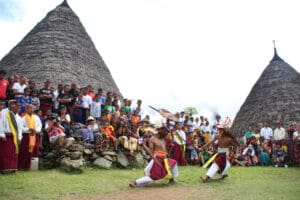
One of the most important rituals is the Penti Event, which is regularly held every year on November 15–16. This ceremony is an annual thanksgiving ritual for a bountiful harvest while also marking the beginning of the new planting season for the community. In addition to involving rituals honoring the ancestors and nature, the Penti Ceremony in Waerebo is also enlivened by the Caci tradition. The Caci performance pits two men against each other in a whipping duel, a tradition that symbolizes bravery and masculinity.
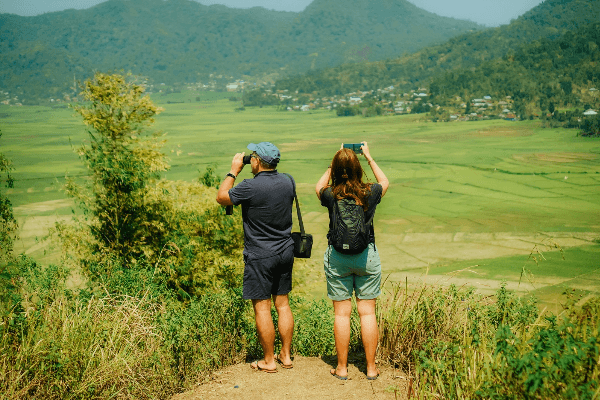
Every time I guide a trip to Waerebo Village in Flores, Indonesia, I always feel that unique blend of natural beauty and cultural richness. The tropical rainforest surrounding this traditional village provides an engaging trekking route that I always enjoy with my guests.
Nature and Environmental Observation
Upon arrival, Waerebo welcomes me with a series of authentic experiences. First and foremost, I always invite guests to observe their life alongside nature and the surroundings. I take the time to observe the atmosphere around the village, whether in the plantations or their other activities in the open air.
Local Cultural Interaction
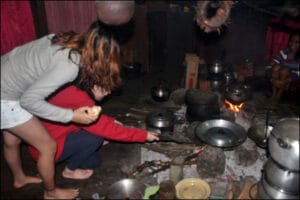
Furthermore, I ensure a profound Cultural Interaction takes place. There, you can observe the community’s life directly and interact with the local residents to fully understand the culture and traditions of Waerebo. Through these interactions, I also make an effort so that guests can learn the traditional Woven Fabric Craft which is a cultural heritage of the local community.
Production Process Observation
Equally important, the daily activities of the local residents are valuable lessons. I observe and study the traditional Coffee Processing methods, from bean to brew. This process provides a unique insight into Flores’s flagship product. Besides coffee, there are also other agricultural products they harvest, such as cloves, cinnamon, vanilla, and others.
Photography and Rituals
Finally, the nighttime experience here is simply magical. I take advantage of the Waerebo sky, which is free from light pollution, for a spectacular Night Photography session; capture photos of the Milky Way and millions of stars clearly visible above the Rumah Niang. Of course, if the timing allows, I also strive to ensure guests can participate in or observe the traditional rituals and ceremonies organized by the Waerebo community.
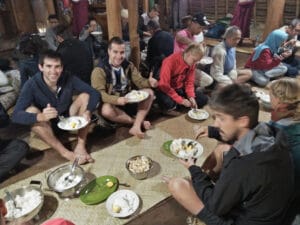
Waerebo Traditional Village provides two conical houses specifically to accommodate tourists who wish to stay overnight. Inside these Mbaru Niang customary houses, all guests are united by soft mattresses and warm blankets, creating a unique atmosphere of togetherness.
In addition, essential supporting facilities are available. Several public bathrooms and toilets can be used by visitors. More interestingly, visitors can also experience bathing in nature by utilizing the local spring-fed bath, which uses bamboo showers.
Furthermore, to support the overnight experience, the Waerebo village tourism institution also provides dinner and breakfast for visitors. The menu served comes from simple ingredients sourced directly from Waerebo’s nature, ensuring the authenticity of the local flavors.
As one of the popular tourist destinations on Flores Island, Indonesia, the level of tourist visits increases every year. In this regard, the local community, represented by the customary institution, sets entrance fees for visiting tourists. This fee aims to support the local community’s economy and accommodate the necessary operational costs during your visit.

Here is the breakdown of the visit tariffs for Waerebo Village:
Overnight Stay Fee: If you choose to stay overnight, you will be charged a fee of IDR 325,000/person. This cost includes 3 meals, as well as coffee or tea.
- 1-Day Visit Fee: If you visit without staying overnight, you will be charged a fee of IDR 200,000/person. This fee covers coffee/tea and lunch. It is important to remember that the fee does not change even if you choose not to have lunch there.
- Donation Fee: In addition to the administrative fee above, you are also required to prepare a donation of any amount you wish (on a voluntary basis). This is done as part of the Manggarai tribe’s tradition in Flores, which obligates someone visiting a village to give a donation during the welcoming ritual.
- Ojek (Motorcycle Taxi) Fee: Besides the entrance fee, you also need to prepare the cost for ojek services before the hike. This is optional, as some of the trekking path can be traversed by two-wheeled vehicles. The ojek fee is IDR 50,000 one way.
- Porter Fee: Alternatively, you can also use porter services as an option to help you carry luggage during the ascent.
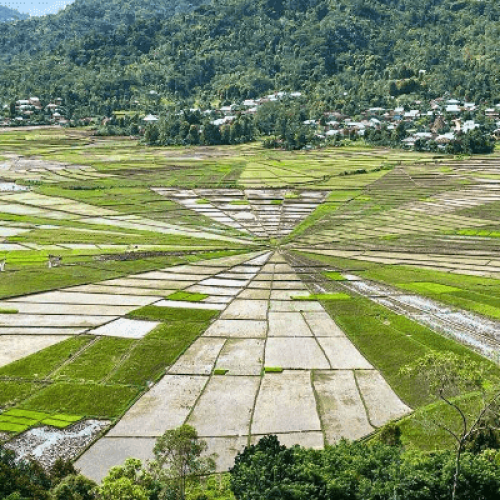
Discover Flores Highlight 6 Days On Request Flores Island Discover Flores Highlight 6 Days 5 Nights Our “Discover Flores Highlights”...
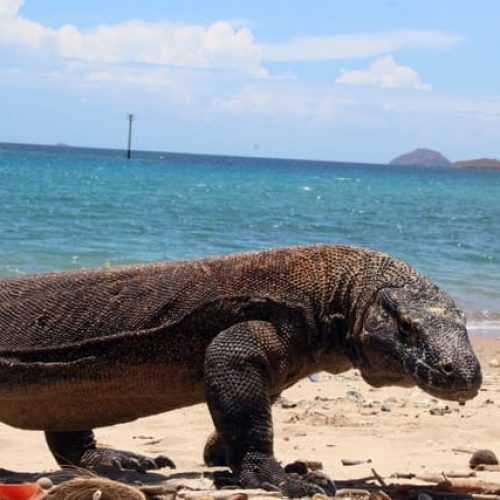
Komodo Tour Packages More Than Just Dragons. Padar, Pink Beach, and Komodo’s Underwater Marvels. Explore the beauty of Indonesia with...
Flores Tour Packages Adventure and Discover The Island’s Nature & Culture Start Now Flores Island—a 13,540 sq km destination in...

Rent Car In Flores Island In Indonesia Experienced Driver Well Maintained Fleet Lowest Cost Highly Recommended Flores Rent Car Create...